Description
Product Summary
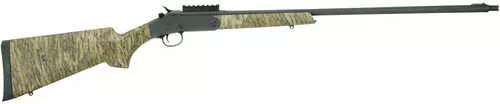
Savage 301 Break Open 20 Gauge Shotgun 26″ Barrel 3″ Chamber Mossy Oak Bottomland / Black
Its single-shot, break action is simple and incredibly reliable, and the 26-inch barrel is optimized for HEAVYWEIGHT TSS payloads. The removable one-piece rail makes it easy to equip the 301 with your favorite optic.
BrandStevens
CategoryShotguns
Model301
Gauge20 Gauge
ActionBreak Open
SightsBead
Capacity1
Chamber3″
Choke ConfigurationWin Choke
Chokes Included1 Extra Full
HandAmbidextrous
Oal41″
Receiver DescriptionBlack Carbon Steel
SafetyManual
Stock DescriptionMossy Oak Bottomland Synthetic
Stock Finish GroupNatural Camouflage
Weight5.6 lbs
Barrel Length26″
Caliber Dictionary
The Below Information Has Been Provided From Our Gun Caliber Dictionary And Is Meant For Informational Purposes Only. It Is Not Intended to Describe The Unique Specifications For This Ammunition.The 20-gauge follows the 12-gauge as America’s second-most popular shotgun gauge. And, with modern shotshells, continues to gain ground. The 20-gauge has a bore diameter of .615-inch, with modern shells in either 2 3/4 “standard” or 3-inch “magnum” length. Most modern shotguns are chambered to handle both. Payloads vary from light-recoiling 5/8-ounce loads all the way to heavy turkey loads carrying 1 5/16 ounces of shot. Standard 2 3/4″ loads for targets and upland birds are normally 7/8 or one ounce. At its very best the 20-gauge does not have the capability of a 12-gauge…but with modern shot, wad columns, and chokes it doesn’t give up much, and it can be built into a much lighter shotgun developing less recoil. Virtually all manufacturers offer 20-gauge guns, and they are available in all action types and for virtually all shotgunning sports. The 20-gauge joins the 12, 28, and .410 as one of four events in skeet competition, and is becoming increasingly popular for sporting clays. — Craig Boddington